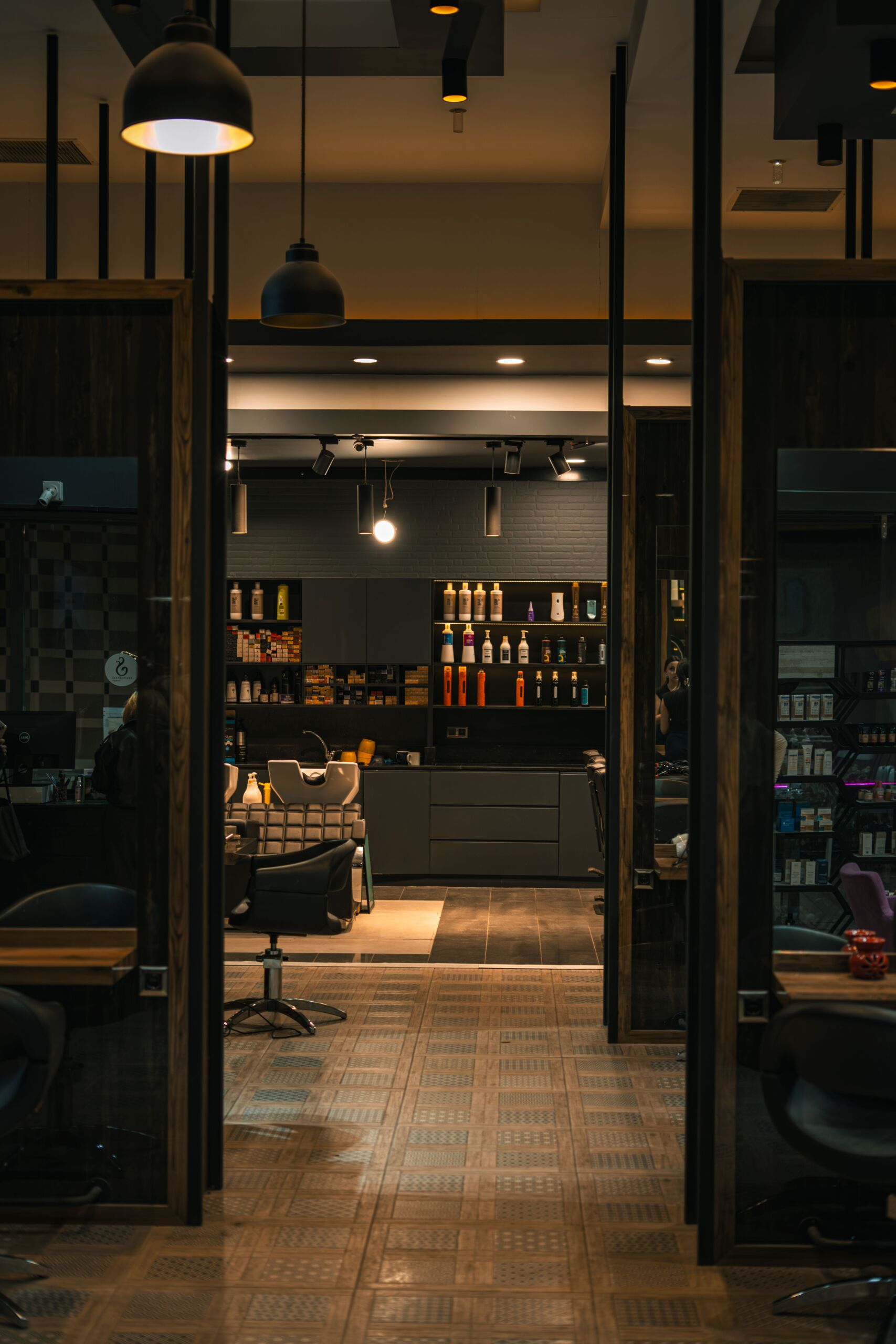
There’s a specific window of time in a salon appointment where a client is genuinely captive and thinking about their appearance — during a wash, a colour treatment, or simply waiting for a stylist. That’s a rare combination for an advertiser: attention, relevance, and no competing distraction. Beauty and skincare brands that use salon screens well are, in effect, advertising to someone already in exactly the right mindset to consider their product.
Why Salons Are a Uniquely Relevant Environment
Unlike a gym or clinic, where the audience’s mind may be elsewhere, a salon client’s attention is already oriented toward beauty, skincare, and self-care — the exact category most cosmetics and skincare advertising is trying to enter. There’s very little translation required between “what this person is currently doing” and “what this ad is about,” which is part of why salon placements tend to feel less intrusive than advertising in a mismatched environment.
Brands That Tend to Perform Well Here
- Skincare brands — serums, treatments, and dermatology-adjacent products aligned with a client already investing in their appearance
- Haircare brands — shampoo, treatment, and styling products with an obvious connection to the setting
- Cosmetics and makeup brands — particularly with visually strong creative that suits a beauty-focused audience
- Nail and beauty tools/accessories — products with a natural adjacency to salon services
- Wellness and spa services — cross-promotion between beauty and adjacent self-care categories
Brands with no visual or category connection to beauty tend to feel out of place in this environment and generally see weaker recall, even with a strong creative execution.
Creative That Actually Works in a Salon Setting
Salon dwell time is longer than most indoor formats — a colour or treatment appointment can run 45 minutes to two hours — which allows for creative that a shorter-format environment couldn’t support. Visually rich, aspirational content tends to perform better here than a hard direct-response message, because the setting itself is already aligned with aspiration and self-care rather than urgency. That said, a clear, simple call to action (a product name, a location, a simple offer) still matters — beautiful creative without a takeaway is a missed opportunity.
Choosing the Right Salons
Salon audiences vary meaningfully by location and price point — a high-end salon in Downtown or Dubai Marina attracts a different client than a neighbourhood salon in a residential community. Before committing budget, clarify which specific salons and areas your campaign will run in, and whether that clientele matches your product’s actual price point and positioning. A premium skincare brand generally sees stronger relevance in higher-end salons than in budget-focused ones, and vice versa for mass-market beauty products.
Budgeting for a Salon Campaign
Cost is driven by the number of salons, screen placement (reception versus styling area), campaign length, and creative format — the same fundamentals covered in this overview of indoor screen advertising in Dubai. Many beauty and skincare brands start with a smaller, focused set of salons that closely match their target client before expanding to a wider network, which keeps early spend efficient while the messaging is tested.
Getting Started
The most effective approach is matching your product’s positioning to the right tier and type of salon rather than buying broad access to every salon in a network. Building a salon advertising campaign around that fit gives a clearer read on whether the channel is working before scaling further.
FAQs
1. Does salon advertising work for men’s grooming brands too? Yes, provided the salons in the campaign serve that clientele — barbershops and men’s grooming salons offer the same captive-attention advantage for relevant products.
2. How long does a typical salon client see my ad for? It varies by appointment type, but salon visits commonly run 45 minutes or longer, giving screens meaningfully more exposure time than most other indoor formats.
3. Should skincare and cosmetics brands use different creative than other advertisers? Generally yes — visually rich, aspirational creative tends to perform better in a beauty-focused setting than a purely functional or urgent message.
4. Can I target premium salons specifically for a high-end product? Typically yes — campaigns can usually be built around specific salon tiers and locations rather than a blanket network, which matters for matching client spending power to product positioning.
5. Is salon advertising better than paying for social media influencers in the beauty space? They serve different purposes. Influencer marketing borrows trust from an online audience; salon advertising reaches people in a physical moment of relevant attention. Many brands use both.
Want your brand in front of the right salon clientele? Talk to our team about matching your product to the salons and areas that fit your customer.