
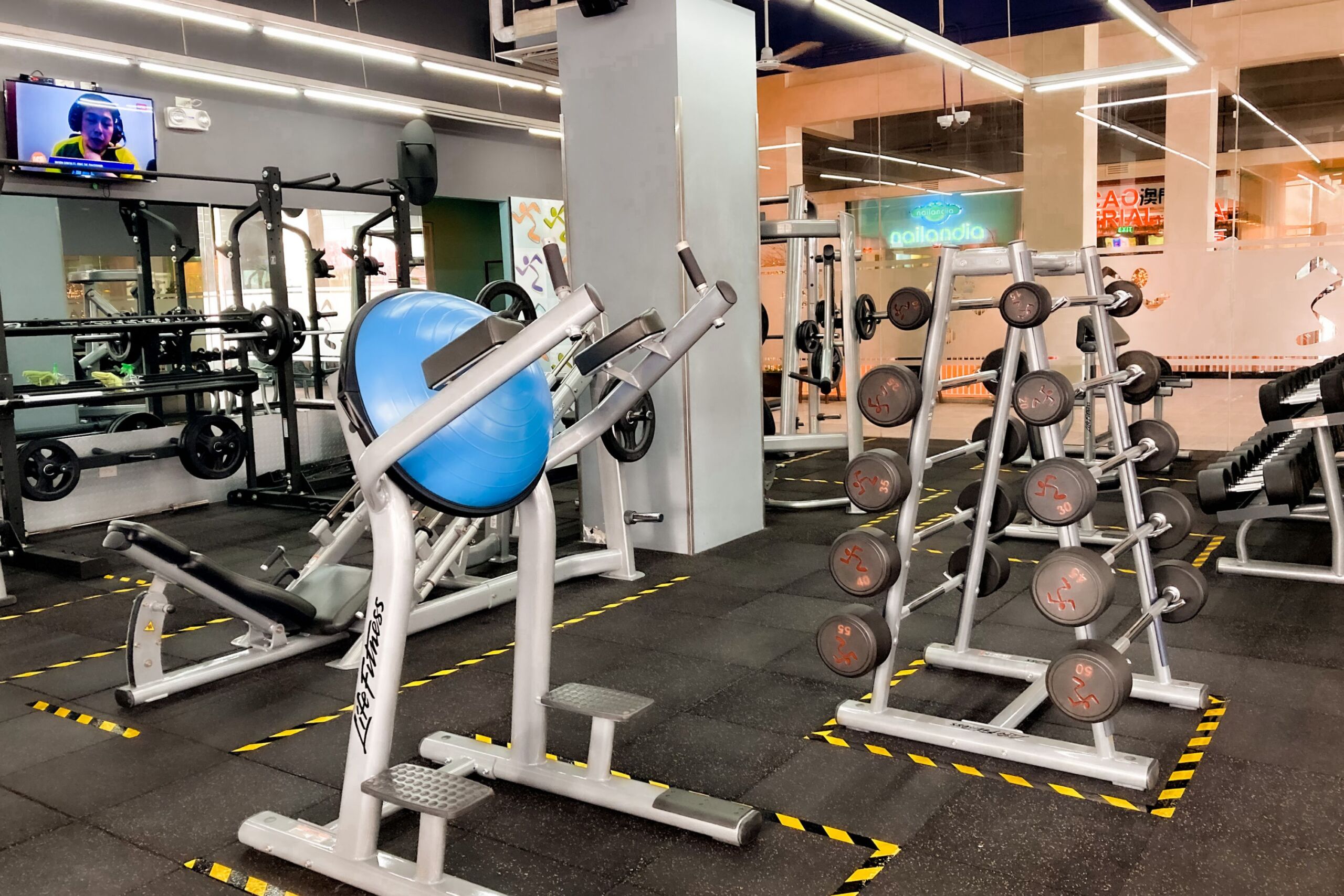
Supplement and fitness brands in Dubai spend heavily on social ads to reach people interested in fitness — which is a reasonable strategy, but it’s also an indirect one. It targets interest, not location. A gym-goer standing in a Dubai gym is a much more direct signal than someone who liked a fitness page three months ago. In-gym screen advertising exists precisely to close that gap: putting your brand in front of the audience while they’re physically inside the environment your product is meant for.
Why Gyms Work Differently Than Social Targeting
Social platforms sell you an approximation of interest based on behaviour and demographics. A gym sells you certainty — everyone who sees your screen is, at that moment, engaged in fitness. There’s no guessing whether the algorithm got the targeting right. For supplement brands, activewear, recovery products, or fitness services, that precision is hard to replicate through digital channels alone.
What Actually Performs Well on Gym Screens
Not every fitness-adjacent product performs equally well in this environment. What tends to work:
- Supplement and nutrition brands — pre-workout, protein, recovery products aimed at an audience already thinking about performance
- Activewear and fitness apparel — visually strong products that benefit from repeated exposure during a workout
- Recovery and wellness services — physiotherapy, massage, cryotherapy, sports medicine
- Fitness apps and memberships — for gyms hosting non-competing studios or programs, cross-promotion tends to work well
- Local health-adjacent F&B — protein cafés, meal-prep services, juice bars near the gym’s catchment area
What tends to underperform: broad, non-fitness-relevant consumer products that don’t naturally connect to why the person is standing in a gym in the first place. Relevance to the moment matters more than production value.
Timing and Creative Considerations
Gym audiences are engaged but often mid-workout, meaning attention comes in short bursts between sets rather than one continuous viewing window. Creative that leads with a clear visual and a short, direct message tends to outperform dense, text-heavy ads that require sustained reading. Repetition across a session matters — someone doing a 45-minute workout may pass the same screen several times, so the message should be quick to absorb on each pass rather than requiring full attention once.
How to Budget Realistically
Gym advertising doesn’t require a mall-scale budget to be effective, which is part of why it appeals to fitness and supplement brands that are often growth-stage rather than enterprise-level. Cost depends on the number of gyms, screen placement within each location, and campaign duration — the same underlying factors covered in this indoor advertising cost guide. For brands testing the channel before committing to a larger campaign, affordable digital screen advertising options exist specifically to make a smaller first test realistic.
Choosing the Right Gyms, Not Just Any Gym
Not all gyms attract the same customer. A boutique CrossFit studio, a large commercial gym chain, and a hotel fitness centre each pull a different demographic and spending profile. Before committing budget, it’s worth clarifying which specific gym types and locations your campaign will actually run in, rather than accepting a generic “fitness network” description — the difference in audience fit can be significant.
Getting Started
The most efficient way to test this channel is a focused pilot: a handful of well-matched gyms, a clear creative message, and a short enough duration to measure interest before scaling. Building a gym advertising campaign this way avoids overcommitting budget before you know how your specific audience responds.
FAQs
1. Is gym advertising effective for brands outside of fitness, like general retail? It can work if there’s a genuine connection to the audience’s mindset in that moment, but non-fitness-relevant products generally see weaker engagement than supplement, apparel, or wellness brands.
2. How is gym advertising different from sponsoring a fitness influencer? Influencer marketing borrows trust from a specific creator’s audience online. Gym screen advertising reaches people physically present in the fitness environment itself, regardless of who they follow.
3. What size budget is realistic for a first gym advertising campaign? It varies by number of gyms and placement, but smaller, affordable test campaigns are available specifically for brands wanting to trial the channel before scaling.
4. Can I choose specific gyms or gym types for my campaign? Generally yes — campaigns can typically be built around specific venue types and locations rather than a blanket, undifferentiated network.
5. What creative format works best for gym screens? Short, visually clear messages that can be absorbed in a few seconds tend to outperform dense or text-heavy ads, since gym audiences view screens in short bursts between activity.
Ready to test whether gym advertising fits your brand? Talk to our team about a focused pilot campaign in the gyms your customers actually train at.